
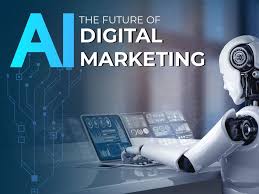
The Future of AI in Digital Marketing: Prospects and Doubts As you surely know, Artificial Intelligence (AI) is no longer a concept of the future, but rather an integral part of digital marketing today. Brands are now leveraging smart tools such as personalized display advertisements and AI-based chatbots to create a better customer experience and increase ROI. However, while AI is fundamentally changing the marketing landscape, there are also new challenges that businesses will need to face. The Opportunities of AI in Digital Marketing 1. Hyper-Personalization With AI, brands can personalize experiences by looking at user behavior, search patterns, and purchase history. For instance, e-commerce websites can recommend new products with a higher certainty based largely on a user’s browsing history. One positive is that hyper-personalization can contribute to greater customer satisfaction and sales 2. Intelligent Customer Engagement AI-based chatbots and virtual assistants can assist customers 24/7, answer questions instantaneously, and even assist customers along their buying journey all while reducing the workload of humans. 3. Predictive Analytics AI will inarguably usher in the ability for marketers to anticipate consumer behavior based on statistical analysis of large data sets. What this implies is that marketers will be able to run targeted campaigns and prepare for the market. 4. Content Creation & Optimization AI copywriting and design tools will streamline the writing of blog posts, ad copy, and social media posts. There are tools that even suggest keywords, headlines, and times to post in order to optimize results. 5. Cost Savings AI will automate creating experiences for consumers, successfully replacing repetitive tasks associated with tasks like A/B testing. Using AI for Digital Marketing Is Not Without Its Challenges Privacy Concerns AI must collect user data to move from generic marketing to personalized marketing, but privacy laws such as GDPR make it difficult for businesses to weigh whether they are instinctively adding additional personalization on top of compliance. Automation Dependence Too much automation risks making a marketing campaign sound robotic. No matter how good the AI, a human requires creativity and emotional intelligence to connect with the user. Cost of Implementation AI tools are becoming cost effective, but this is still a barrier small businesses face to implement an advanced platform. Ethical Dilemmas AI marketing-based advertisements can blur ethical lines when promoting products through overly persuasive ads, designed to manipulate and intrude on the user’s behavioral patterns. Technology is Moving Too Quickly AI is changing fast, which requires businesses to continuously redevelop strategies and tools to keep up with changes in the marketplace. AI is revolutionizing digital marketing and additionally allowing for smarter, faster and more refined marketing tactics. However, businesses must be laser-focused to use technology carefully – providing human touch – respecting privacy – and remaining flexible, due to the rapid change in the digital marketing landscape.
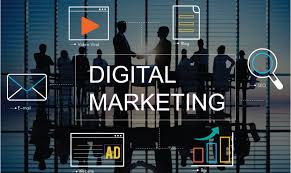
The Strength of Digital Marketing: Why Every Business Must Utilize it!
The Strength of Digital Marketing: Why Every Business Must Utilize it! In a modern and fast-changing world today, digital marketing is no longer an option – it’s a requirement. Whether you’re a start-up company, a small business or a global brand, your online presence defines exactly how customers see you. Traditional marketing strategies such as print ads and billboards continue to be effective, however, the real growth is occurring online. How do we Define Digital Marketing? Digital marketing means promoting a product or service through digital means — a website, social media, email and search engines. The aim of digital marketing is pretty straight forward — to engage with your audience where they spend the most of their time, which is online. Why is Digital Marketing Important for Businesses? Cost Effective= Digital marketing campaigns are substantially less expensive and have a better ROI than TV or print advertising. Targeted = Digital marketing has the ability to reach consumers based on demographics such as age, place of residency, or in-market. Rapid Assessment of Results= You can see real-time results, unlike traditional forms of advertising. Global Reach= Even a small business to reach consumers across the globe through digital marketing. Key Types of Digital Marketing Search Engine Optimization (SEO): This helps websites rank higher on Google. Social Media Marketing (SMM): This builds brand awareness on social media platforms — Instagram, Facebook and LinkedIn. Content Marketing: This includes blogs, videos and infographics to provide value to customers and potential customers. Email Marketing: Personalized campaigns to strengthen customer engagement for life. Pay-Per-Click (PPC): Paid ads that generate instant traffic. What lies ahead for Digital Marking? Compelling, isn’t it? With the advent of AI, automation, and data-driven insights, the future of digital marketing has never been more exciting. Businesses that adapt will only continue to differentiate themselves. Digital marketing is still about building relationships that are significant, not just selling. If you want your business to grow in 2025 and beyond, going digital will be the best decision you make.